A stitching enterprise, by the Hazaras of Afghanistan
Meet the women whose hands made the bags and headbands in our latest collection — and the long road that brought them to a Malaysian sewing studio.
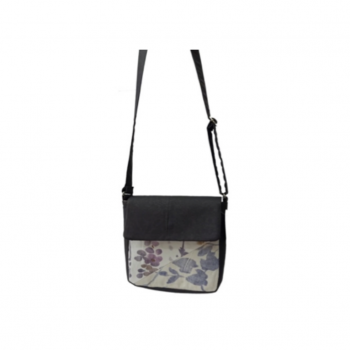
You wouldn’t know it from looking at our Kelly bag, but its silhouette has been carried, in someone’s memory, across three countries.
A long way from home
The Hazaras are a Persian-speaking community indigenous to central Afghanistan. For decades, they have faced systematic persecution in their homeland. Many of the women in our sewing studio left everything they owned to come here, often with small children, often after long and dangerous journeys.
What they brought with them — what nobody could take — was skill. Embroidery. Pattern-making. An eye for finishing that catches the light just so.
A workshop, not a programme
When we first started training tailors, we thought we’d be the ones teaching. We were wrong.
The women had been sewing since they were children. What they needed wasn’t a workshop. It was an order book.
So we built one.
How the work is shared
Today, our sewing studio runs as a small, tight-knit team. Patterns are cut by one set of hands; bodies stitched by another; linings and finishing by a third. Every Kelly and Charlotte bag passes through several people before it’s packed.
The team chooses their own hours. Many work around their children’s school schedule. A few have, over the years, gone on to start their own small enterprises — taking machines, customers, and skills with them. We see that as a good day.
What you’re holding when you hold a bag
You’re holding a piece of craft that travelled a long way to reach you. You’re holding the steady hours of a woman who, until not long ago, couldn’t legally work in this country. You’re holding our quiet promise that nothing about her labour will be cheapened to make a sale.
That feels heavier than a bag. We think that’s about right.